


In project management, leadership is the invisible force that turns plans into reality. While processes and tools are essential, “ leadership” is the human element, the leader, who inspires teams, navigates challenges, and drives success. A project manager with strong leadership skills can transform a group of individuals into a cohesive, motivated unit.
According to the Project Management Institute report, organizations with highly skilled project leaders meet their goals 2.5 times more often and waste 28 times less money. Also, 86% of high-performing projects are led by managers who prioritize leadership and interpersonal skills over technical expertise alone. These figures highlight that leadership is not a soft skill; it is a strategic necessity.
The Leader vs. The Micromanager
Many confuse project management with project leadership, but they are not the same.
- Management focuses on tasks: scheduling, budgeting, and monitoring progress.
- Leadership, on the other hand, is about inspiring people, encouraging collaboration, providing vision, and creating environments where people thrive.
| As management expert Peter Drucker famously said in his Modern Management Theory,
“Management is doing things right; leadership is doing the right things”. |
A project leader doesn’t just follow a plan; they adapt it, communicate it, and bring everyone along on the journey.
More Than a Manager: The Multifaceted Role
Project management involves much more than managing tasks. A project leader isn’t just someone who gives instructions;
- They think strategically,
- Support the team, and
- Keep everyone motivated.
They act as a bridge, bringing people, plans, and goals together so others can succeed. Their responsibilities extend far beyond schedules and budgets.
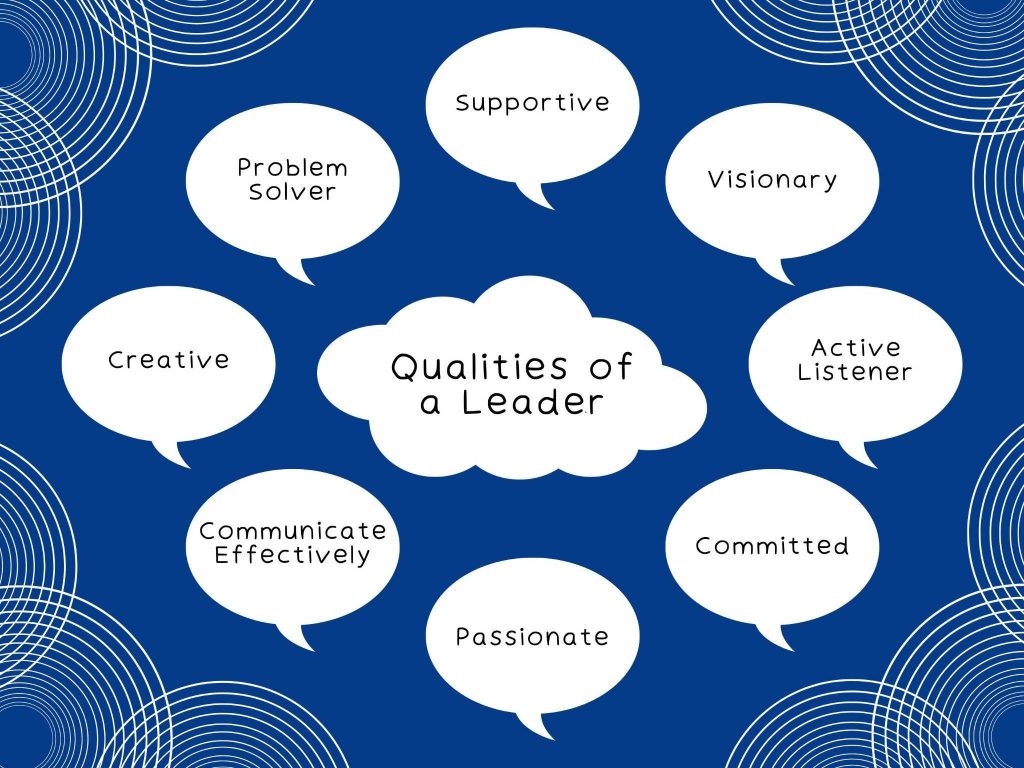
According to industry insights, key leadership qualities are:
- Setting a Clear Vision: Aligning the team toward common goals.
- Inspiring Motivation: Fostering a positive culture where people want to give their best.
- Making Decisive Choices: Preventing bottlenecks by making timely, informed decisions.
- Communicating Transparently: Keeping everyone informed and engaged.
- Building a Cohesive Team: Managing dynamics and resolving conflicts to maintain harmony.
The Impact on Team Performance
Good leadership can completely change how a team feels and performs.
- Poor leadership creates uncertainty, leading to misunderstandings, delays, and a loss of motivation.
- In contrast, strong leadership builds a positive environment that encourages innovation and higher performance.
| Great leaders are “people persons” with high emotional intelligence. |
They recognize strengths and weaknesses within their team and themselves, bringing out the best in everyone. They encourage a collaborative, “in it together” spirit that makes teams feel supported and protected.
Cultivating a Leadership Mindset
Becoming a project leader is a continuous journey. It requires a shift from being “active” in task management to being “engaged” in developing people. This means:
Building Strong Teams
Good leaders lift their teams instead of controlling them. They trust people to do their job, give responsibility where it’s due, and allow fresh ideas to grow. Teams perform better when there’s trust, respect, and a shared purpose.
Communication That Connects
Clear communication keeps everyone moving in the same direction. Leaders must explain the vision simply, listen openly, and make sure no one feels left out. When communication breaks, confusion follows, and motivation drops.
Making Decisions and Staying Flexible
Plans change. Problems appear. A strong leader is ready to make decisions quickly and adjust when needed. Staying calm under pressure helps the team stay focused even when things get tough.
Leading by Example
Leadership isn’t about titles; it’s about behaviour. When leaders show honesty, take responsibility, and stay positive, the team naturally follows. People notice when leaders work alongside them and give credit where it’s earned.
The good news is that leadership can be nurtured and developed through PMP training, mentorship, and conscious practice.
Leadership Skills: The Most Preferred Skills By Organizations, Why?
Organizations are increasingly recognizing that leadership skills carry as much weight as technical knowledge. PMI research shows that 81% of high-performing organizations prioritize the development of technical skills, while 79% prioritize leadership skills. This reflects a growing understanding that motivating teams, negotiating with stakeholders, and inspiring confidence are essential for project success.
Nowadays, organizations fully understand the value of project management, which suggests many businesses are still missing opportunities to leverage strong leadership. Organizations that invest in leadership development see better outcomes dramatically.
Conclusion: The Bottom Line
Leadership is the foundation of every successful project. It ensures a project stays on track, overcomes obstacles, and achieves its intended outcomes. While a manager handles the processes, a leader inspires the people. In the complex, fast-paced world of project delivery, investing in leadership isn’t just an option; it’s the most critical factor in turning a plan into a triumph.