

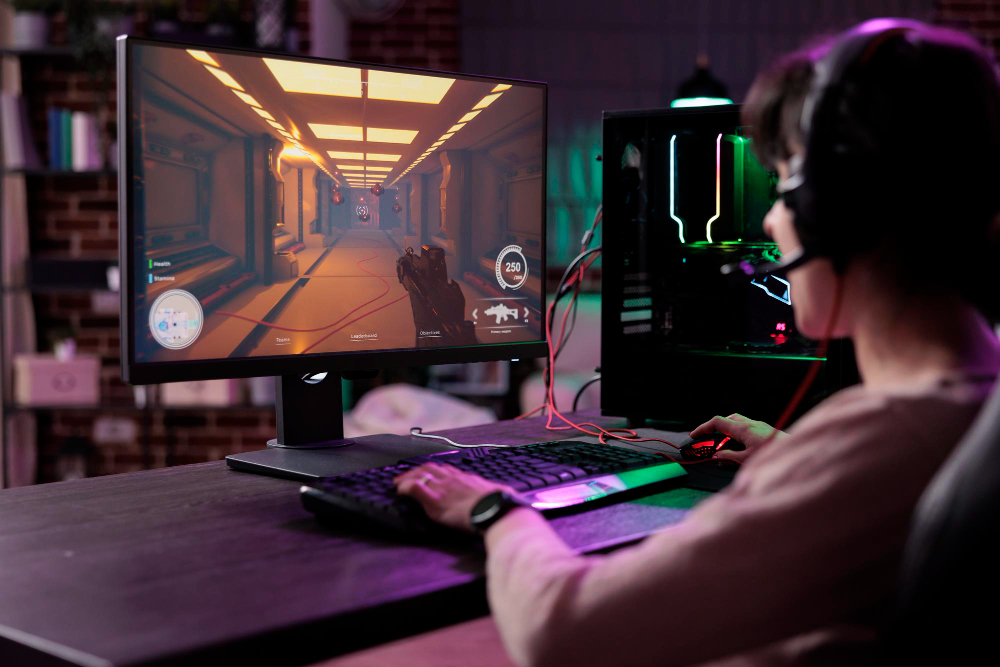
The modern video game industry is moving at a breakneck pace. Gone are the days when buying a game meant owning a static, unchanging piece of software. Today, interactive entertainment is a fluid, evolving medium defined by continuous live-service updates, system driver optimizations, engine upgrades, and community-driven modifications. For casual players and seasoned enthusiasts alike, keeping track of this constant stream of information can feel like a full-time job.
This is where LCFModGeeks steps into the spotlight. Positioned at the intersection of gaming, software development, and hardware customization, LCFModGeeks serves as an essential hub. By breaking down complex patch notes, highlighting critical firmware developments, and curating the safest software tweaks, the platform ensures that your gaming system always runs at peak performance.
Whether you want to squeeze a few extra frames-per-second (FPS) out of your graphics card, safely install community expansions, or understand how the latest game engine updates affect game design, staying informed is no longer a luxury—it is a necessity.
The Revolution of Game Modding and Customization
What was once a niche, misunderstood hobby confined to obscure internet message boards has now emerged as a pillar of mainstream gaming culture. Game modding)—the act of altering a game’s code, graphics, or assets—has fundamentally rewritten the rules of player interaction. It transforms passive consumers into active creators, allowing players to build the worlds they want to play in.
The editorial team at LCFModGeeks has been at the forefront of this shift, curating a selection of safe, innovative, and game-changing modifications. Uncurated modding carries risks, from corrupted save files to malicious software bundled into key downloads. By analyzing modding APIs, scanning directories, and providing detailed installation guides, LCFModGeeks allows users to customize their games with total peace of mind.
The most profound impact of modding lies in its ability to vastly extend the lifespan of classic titles. Masterpieces like The Elder Scrolls V: Skyrim, Stardew Valley, and Cyberpunk 2077 remain globally popular years after their launch because of modders. Millions of users continue to play Minecraft because custom modifications introduce entirely new mechanics, visual overhauls, and multiplayer experiences that rival modern standalone titles. Modding ensures that great games never truly die; they simply evolve.
Major Console and PC Hardware Updates
Your software is only as good as the hardware that runs it. As developers push visual fidelity and physics engines to their absolute limits, staying on top of hardware developments is critical to avoiding bottlenecks.
Next-Generation Console Firmware
Modern consoles, including the PlayStation 5, Xbox Series X/S, and the handheld Steam Deck, are essentially highly specialized computers. Manufacturer firmware updates are crucial for:
- Storage Optimization: Enabling faster data decompression and expanding support for high-speed M.2 NVMe SSDs.
- Display Technology Support: Activating features like Variable Refresh Rate (VRR) and Auto Low Latency Mode (ALLM) to eliminate screen tearing and minimize input lag.
- Energy Management: Improving standby power efficiency and optimizing cooling fan curves to prevent thermal throttling.
Cutting-Edge GPU Advancements and Driver Analyses
On the PC side, the hardware race is spearheaded by major manufacturers. Hardware experts frequently analyze how the latest driver packages from NVIDIA and AMD affect real-world in-game performance.
When a highly anticipated game launches, both NVIDIA (via its Game Ready Drivers) and AMD roll out day-one optimizations. These updates are specifically designed to leverage advanced features such as Ray Tracing, DLSS (Deep Learning Super Sampling), and FSR (FidelityFX Super Resolution). By matching game code with driver-level optimizations, these updates can boost frame rates by up to 50% without requiring a hardware upgrade.
Tips for Optimizing System Settings
To achieve a smooth, high-fidelity gaming experience, LCFModGeeks recommends the following benchmarking checklist:
- Keep Graphics Drivers Updated: Use clean-installation options when updating GPU software to prevent driver conflicts.
- Configure Windows Game Mode: Ensure Windows Game Mode is enabled to prioritize CPU and GPU resources for active games.
- Monitor Thermals: Use software like MSI Afterburner to monitor system temperatures, ensuring your CPU and GPU do not exceed safe operating limits (generally under 80°C).
Crucial Software Patches and Live-Service Enhancements
The rise of the “live-service” model has changed how games are balanced and maintained. Titles such as *Fortnite*, *Apex Legends*, and *Destiny 2* rely on a delicate, constantly shifting ecosystem.
When a developer releases a balance patch, it can completely alter the competitive landscape. A minor tweak to a weapon’s recoil, a character’s cooldown timer, or a map’s spawn layout can render old strategies obsolete. LCFModGeeks helps players navigate these shifts by translating dry, technical patch notes into actionable strategic advice, helping you understand how changes affect high-level competitive play.
Beyond balance tweaks, seasonal content and battle passes are the primary drivers of player engagement. By structuring updates into predictable 3-to-4-month cycles, developers keep their games feeling fresh.
However, these large seasonal updates often introduce unexpected issues. Memory leaks, network desync, and micro-stutters can easily crop up when new code is layered onto older frameworks. Keeping an eye out for hotfixes and stability updates in the weeks following a major seasonal launch is essential for maintaining a stutter-free experience.
Indie Game Spotlights and Community Innovations
While AAA blockbusters command the largest marketing budgets, the most daring innovations often originate in the independent scene. The editorial team at LCFModGeeks is highly dedicated to highlighting breakout indie titles that push the boundaries of storytelling and game mechanics.
Through platforms like Kickstarter and Steam Early Access, developers can build their projects in tandem with their player base. This collaborative development cycle ensures that community feedback directly shapes the final product. Titles like *Hades*, *Valheim*, and *Palworld* owe their massive success to this open-feedback system, which allows developers to test mechanics, squash bugs, and refine balance before a full commercial release.
Furthermore, community innovations often yield total conversions—community-created mods that use a game’s engine to build an entirely new game from scratch. Projects like *Enderal: Forgotten Stories* (built on the Skyrim engine) and *Fallout: London* (built on the Fallout 4 engine) rival official expansions in size, narrative depth, and mechanical polish. These massive projects demonstrate that with the right tools, passionate community creators can stand toe-to-toe with major development studios.
Best Practices for Safe Modding and Asset Integration
While customizing your favorite games can breathe new life into older titles, improper installation can lead to unstable game clients, lost save data, or system security issues. To help you mod safely, here is a step-by-step security guide compiled by LCFModGeeks.
“`
+———————————————+
| 1. Back Up Original Game Saves & Files |
+———————-+———————-+
|
v
+———————————————+
| 2. Download Only From Trusted Platforms |
+———————-+———————-+
|
v
+———————————————+
| 3. Use a Dedicated Mod Manager Tool |
+———————-+———————-+
|
v
|———————————————|
| 4. Organize Load Orders & Run Conflicts |
+———————————————+
“`
Step-by-Step Safety Measures
- Back Up Your Save Files: Before installing any mod, locate your game save directory and create a secure backup copy. If a mod corrupts your save file, you can easily restore your progress.
- Rely on Trusted Sources: Stick to reputable modding repositories. Avoid downloading executable files (`.exe`) unless they are from highly verified developers, and always check community comments for reports of performance issues or bugs.
- Scan Compressed Archives: Run security scans on downloaded `.zip`, `.rar`, or `.7z` archives before extracting them into your system directories.
Recommended Mod Managers and Organization Tools
Manual modding—dragging and dropping files directly into a game’s root directory—is highly prone to errors and difficult to reverse. Instead, use modern mod managers to keep your game folder clean:
| Mod Tool | Supported Games | Primary Advantage |
| :— | :— | :— |
| Vortex | Multi-game support (Skyrim, Cyberpunk, Witcher, etc.) | User-friendly UI, directly integrated with Nexus Mods. |
| Mod Organizer 2 (MO2) | Bethesda Titles (Skyrim, Fallout) | Uses a virtual file system to keep your directory completely untouched. |
| r2modman | Unity-based games (Lethal Company, Risk of Rain 2) | Clean interface, easy profile sharing, and simple one-click installs. |
Troubleshooting Common Conflicts and Performance Bottlenecks
If your game crashes on startup (Crash to Desktop, or CTD) or suffers from severe frame drops after modding, it is likely due to a load order conflict or a script bottleneck.
Ensure that foundational mods (like script extenders and community patches) load first, followed by texture overhauls, and finally minor gameplay tweaks. Tools like LOOT (Load Order Optimisation Tool) can automatically analyze your plugins and sort them to prevent conflicts, ensuring a highly stable setup.
Future Horizons: AI, Cloud Gaming, and Virtual Reality
As we look toward the horizon, the intersection of gaming, artificial intelligence, and hardware design promises to change how we interact with virtual worlds.
The Integration of Artificial Intelligence
Artificial Intelligence is rapidly evolving beyond basic enemy pathfinding. In modern game development, AI-driven procedural generation allows developers to build massive, highly detailed environments in a fraction of the time.
Furthermore, game engines like Unreal Engine 5 are beginning to integrate neural networks to power dynamic NPC dialogue. Instead of relying on pre-written scripts, future NPCs will be able to hold natural, context-aware conversations with players, making game worlds feel truly alive.
The Viability of Cloud Gaming
While physical consoles and PC hardware remain the gold standard, cloud-based gaming services are making rapid strides. Platforms like Xbox Cloud Gaming and GeForce Now allow players to stream high-end AAA games to low-spec laptops, tablets, and smartphones. As fiber-optic internet infrastructure expands, cloud gaming is becoming a viable option for players who want to jump into games without investing in expensive hardware.
Virtual and Mixed Reality Updates
Virtual Reality (VR) and Mixed Reality (MR) continue to mature. With the release of cutting-edge headsets like the Meta Quest 3, PlayStation VR2, and Apple Vision Pro, developers are refining spatial tracking and immersive design. Hardware and software updates in this space are moving toward foveated rendering—a technique that uses eye-tracking technology to render only the exact area you are looking at in high resolution, saving processing power and delivering incredibly sharp visuals.
Conclusion: Staying Ahead with LCFModGeeks
In today’s fast-moving gaming landscape, keeping your system updated, optimized, and secure is essential to getting the most out of your games. From understanding console firmware to safely managing community mods, staying informed is the best way to elevate your gaming experience.
LCFModGeeks is here to guide you through this landscape. By providing clear, actionable guides, technical hardware analyses, and curated mod databases, the platform makes it easy to stay ahead of the curve.
We encourage you to join the active LCFModGeeks community. Share your favorite mod setups, join the hardware discussions, and help shape the next generation of gaming innovation.
Frequently Asked Questions (FAQ)
1. Why are graphics driver updates so important for new games?
Graphics card manufacturers like NVIDIA and AMD release game-ready drivers to coincide with major game launches. These drivers contain specific code optimizations that allow your hardware to render the game’s assets efficiently, preventing day-one crashes, visual bugs, and poor frame rates.
2. Is modding games safe, and can it get me banned?
Modding is highly safe if you follow best practices, use trusted platforms like Nexus Mods, and run files through a mod manager. However, using mods in multiplayer or competitive games (like *Call of Duty* or *Valorant*) will trigger anti-cheat software and result in an account ban. Always disable mods and clean your game directory before going online.
3. What is a “Total Conversion” mod?
A total conversion mod is a massive, community-made project that replaces almost all the artistic assets, gameplay mechanics, and narrative elements of an existing game. It essentially uses a game’s engine as a foundation to build a completely new game, often offered to players for free.
4. How do I fix a game that keeps crashing after installing mods?
A crash to desktop (CTD) is usually caused by a load order conflict, missing dependencies, or incompatible mods. Use a tool like LOOT to optimize your load order, ensure you have installed all required pre-requisites (like script extenders), and disable your mods one-by-one to isolate the culprit.