

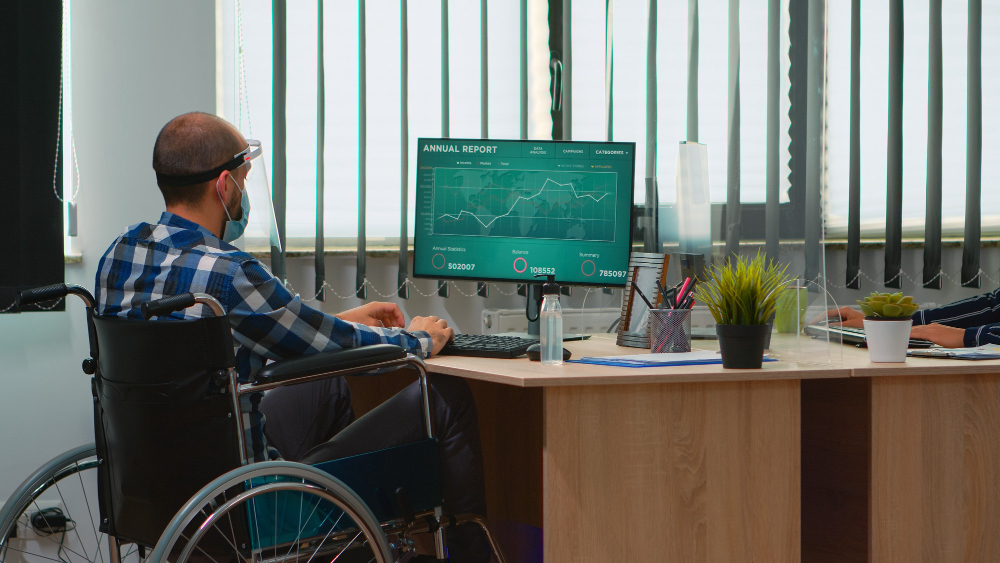
In an increasingly digital and interconnected world, technology serves as the ultimate equalizer. For millions of individuals living with physical, sensory, cognitive, or learning differences, modern innovations do not just offer convenience—they provide a vital pathway to autonomy. This comprehensive guide explores the landscape of Assistive Technology (AT), showcasing how these tools bridge the gap between limitation and capability, unlocking human potential across schools, homes, and workplaces.
Demystifying Assistive Technology: An Introduction
To understand the impact of assistive innovations, we must first define what they encompass in a modern context. Assistive Technology refers to any item, piece of equipment, software program, or product system that is used to increase, maintain, or improve the functional capabilities of persons with disabilities. Far from being a niche luxury, AT is a fundamental pillar of accessibility that champions human rights and personal dignity.
The Primary Goal: Enhancing Independence
At its core, the primary goal of AT is to promote independence and self-reliance. By mitigating the barriers imposed by physical or cognitive limitations, these tools allow individuals to perform tasks that might otherwise be difficult or impossible. Whether it is a child communicating their thoughts for the first time or an older adult living safely at home, AT fosters active participation in daily life.
A Brief History: From Simple Tools to Digital Horizons
The evolution of assistive tools is a testament to human ingenuity:
- Ancient Origins: The earliest AT consisted of rudimentary walking sticks, simple hand-carved prosthetics, and basic magnifying glasses.
- The mid-20th Century: The aftermath of the world wars accelerated the development of manual wheelchairs, tactile writing systems such as Braille, and acoustic hearing aids.
- The Digital Revolution: The late 20th and early 21st centuries introduced microchips, desktop computing, and the internet. This era birthed screen-reading software, motorized mobility, and early speech-generation devices.
- The Modern Era: Today, we live in an era of cloud-connected, smart, and highly personalized digital solutions, transforming how we interact with the physical and digital worlds.
The Crucial Distinction: Assistive, Adaptive, and Rehabilitative
While often used interchangeably, it is important to distinguish between these key terms:
- Assistive Devices: Broadly defined tools that help anyone perform a task they otherwise could not do (e.g., a magnifying glass).
- Adaptive Devices: Products specifically modified from existing mainstream technologies to make them accessible for individuals with disabilities (e.g., an adapted keyboard or a car with hand controls).
- Rehabilitative Devices: Tools used temporarily to help an individual regain or recover a lost function, often under clinical supervision (e.g., physical therapy parallel bars or muscle stimulators).
The Diverse Spectrum of AT: Low-Tech to High-Tech Solutions
Assistive technology is not a one-size-fits-all category. It spans a vast continuum categorized by complexity, cost, and sophistication.
Low-Tech Tools: Simple Yet Powerful
Low-tech solutions are non-electronic, inexpensive, and require little to no specialized training. Despite their simplicity, they are highly effective.
- Handheld Magnifiers: Essential for reading small print, medication labels, and instructions.
- Graphic Organizers: Visual maps and templates that help individuals organize thoughts and manage tasks.
- Tactile Guides: Raised-line paper, textured stickers, and physical markers that allow visually impaired individuals to navigate physical objects safely.
Mid-Tech Innovations: Accessible Electronics
Mid-tech tools involve basic electronic components, are moderately priced, and are relatively easy to operate.
- Alternative Keyboards: Keyboards with larger keys, high-contrast layouts, or ergonomic shapes to assist those with motor challenges.
- Screen Magnifiers: Dedicated software or hardware units that enlarge digital interfaces without requiring complex system configurations.
- Speech-Generating Devices (SGDs): Simple electronic communication boards that playback pre-recorded words or phrases at the touch of a button.
High-Tech Breakthroughs: State-of-the-Art Systems
High-tech solutions incorporate advanced electronics, computer systems, and sophisticated software programs.
- Eye-Tracking Systems: Systems that utilize specialized infrared cameras to monitor eye movement, allowing users to control computers, type, and communicate solely with their gaze.
- Motorized Wheelchairs: Advanced power chairs equipped with complex control interfaces (like sip-and-puff systems) and automatic pressure-relief tilting.
- Smart Prosthetics: Bionic limbs equipped with sensors and microprocessors that read muscle signals (myoelectric) to mimic natural, fluid movement.
Categorizing AT by Functional Need
To match the right technology with the user, specialists categorize AT based on specific needs:
- Mobility Support: Wheelchairs, walkers, exoskeletons, and transfer lifts.
- Sensory Support: Hearing aids, cochlear implants, Braille displays, and sign-language translation apps.
- Cognitive Support: Memory aids, smart reminders, task-management applications, and simplified operating systems.
- Communication Support: Augmentative and Alternative Communication (AAC) apps, text-to-speech programs, and eye-gaze computer setups.
Enhancing Daily Living and Personal Independence
When individuals gain access to the right assistive technology, their everyday lives undergo a profound transformation. Activities of Daily Living (ADLs) that once required constant caregiver assistance become manageable tasks.
Smart Home Automation
The rise of the Internet of Things (IoT) has revolutionized independent living:
- Voice-Controlled Environments: Smart assistants (like Amazon Alexa, Google Assistant, or Apple HomeKit) enable users with limited mobility to control lighting, adjust thermostats, and play media using simple vocal commands.
- Smart Locks and Video Doorbells: These devices allow individuals with physical limitations to see who is at the door and unlock it remotely, enhancing personal safety.
- Automated Appliances: Ovens with auto-shutoff features, smart refrigerators, and robotic vacuum cleaners decrease physical strain and prevent domestic accidents.
Daily Living Aids (ADLs)
Sometimes the most impactful tools are those used at the kitchen table or in the bathroom:
- Specialized Eating Utensils: Weighted, angled, or stabilizing cutlery designed for individuals with Parkinson’s disease, arthritis, or limited hand grip.
- Button Hooks and Zipper Pulls: Mechanical aids that allow individuals with fine motor difficulties to dress independently.
- Medication Reminders: Automated pill dispensers that sound alarms, unlock only the correct dose at the scheduled time, and send alerts to family members if missed.
Navigation and Mobility Aids
Navigating physical spaces can be incredibly daunting for those with sensory and mobility impairments:
- GPS-Guided Canes: Walking canes equipped with ultrasonic sensors and haptic feedback to warn users of obstacles above ground level.
- Smart Glasses for the Visually Impaired: Wearable glasses that utilize built-in cameras and AI to read signs, identify objects, and describe physical environments in real-time through audio feedback.
- Stairlifts and Home Ramps: Structural installations that ensure multi-story homes remain fully accessible.
Mental Well-Being and Self-Reliance
Beyond physical capability, AT significantly boosts mental well-being. The ability to feed oneself, move freely, and manage personal schedules reduces feelings of helplessness and isolation. It builds self-esteem, lowers rates of depression among individuals with disabilities, and relieves emotional burnout for family caregivers.
Unlocking Potential: Assistive Technology in Education
In educational settings, assistive technology acts as a leveling agent, transforming the classroom from an environment of barriers into a space of discovery.
The Core Paradigm: Universal Design for Learning (UDL)
To understand modern educational technology, one must understand Universal Design for Learning (UDL). UDL is an educational framework based on research in the learning sciences, advocating for flexible learning environments that can accommodate individual learning differences. AT is the practical engine of UDL, ensuring that students have multiple means of representation, expression, and engagement.
┌──────────────────────────────┐
│ Universal Design for Learning│
└──────────────┬───────────────┘
│
┌─────────────────────────┼─────────────────────────┐
▼ ▼ ▼
┌─────────────────┐ ┌─────────────────┐ ┌─────────────────┐
│ Multiple Means │ │ Multiple Means │ │ Multiple Means │
│of Representation│ │ of Expression │ │ of Engagement │
│ (e.g., TTS) │ │(e.g., Dictation)│ │ (e.g., Gamified│
│ │ │ │ │ Schedules) │
└─────────────────┘ └─────────────────┘ └─────────────────┘
Reading and Writing Supports
Students with dyslexia, dysgraphia, visual impairments, or language processing challenges benefit immensely from tailored digital tools:
- Text-to-Speech (TTS): Software that converts written digital text into spoken words, allowing students to listen to textbooks and articles while highlighting the words on-screen.
- Word Prediction Software: Predicts words based on initial keystrokes and context, reducing the cognitive load and motor effort required for writing and spelling.
- Digital Highlighters and Annotation Tools: Allow students to color-code text, take voice notes directly on documents, and organize research materials effortlessly.
Cognitive and Organizational Aids
For neurodivergent students, including those with ADHD or autism spectrum disorders, organization can be a significant hurdle:
- Mind-Mapping Software: Visual brainstorming tools that help students map out complex essays and projects before writing.
- Interactive Visual Schedules: Tablet-based schedules that use customizable icons, countdown timers, and rewarding sound cues to ease transitions between subjects.
The Role of Legislative Protection: IDEA
In the United States, school-aged children are legally protected and supported by the Individuals with Disabilities Education Act (IDEA). Under IDEA, public schools are legally mandated to evaluate children who need special education services and provide appropriate assistive technology devices and services free of charge if deemed necessary in the student’s Individualized Education Program (IEP).
Creating Inclusive Workplaces and Careers
Empowering individuals does not stop at graduation. True independence means having equal access to career opportunities. Modern businesses are realizing that accessibility is a competitive advantage, not just a regulatory checklist.
Digital Accessibility
For office-based careers, digital files, web pages, and software platforms must be natively designed to work with assistive programs:
- Screen Readers (e.g., JAWS, NVDA, VoiceOver): Software programs that read the text displayed on a computer screen out loud, allowing blind or visually impaired professionals to write emails, navigate spreadsheets, and code software.
- Closed Captioning and Real-Time Transcription: Vital for deaf or hard-of-hearing employees during video calls, webinars, and virtual presentations.
- Alt-Text for Images: Written descriptions embedded within digital images, allowing screen readers to convey visual information to users.
Ergonomic and Physical Accommodations
Adjusting the physical workstation ensures comfort, prevents repetitive strain, and accommodates physical disabilities:
- Height-Adjustable Desks: Motorized sit-to-stand desks that easily adjust to wheelchair heights.
- Trackball Mice and Ergonomic Keyboards: Alternative input devices that minimize wrist strain and accommodate restricted hand movement.
- Speech-to-Text Dictation: Advanced voice-recognition software that allows professionals to compose documents and control computer interfaces purely using vocal dictation.
The Economic Case for Workplace Inclusion
Prioritizing accessibility makes immense financial sense. Diverse talent acquisition introduces unique problem-solving perspectives, boosts company morale, and expands the consumer market reach. Research consistently shows that companies championing disability inclusion enjoy higher revenue, increased net income, and stronger profit margins than their peers.
Legal Standards and Compliance
Employers must navigate several key legal frameworks to ensure compliance and support their workforce:
- The Americans with Disabilities Act (ADA): Title I of the Americans with Disabilities Act (ADA) prohibits private employers, state and local governments, and labor unions from discriminating against qualified individuals with disabilities. It mandates that employers provide “reasonable accommodations” to employees, which frequently involves supplying appropriate assistive technology.
- Section 508 of the Rehabilitation Act: This law requires federal agencies to make their electronic and information technology accessible to people with disabilities. It sets the standard for digital documents, websites, and software across public and private sectors globally.
The Next Frontier: AI and Emerging Trends in AT
The rapid evolution of consumer technology is driving a golden age of innovation in assistive devices, fueled primarily by Artificial Intelligence (AI) and bioengineering.
Artificial Intelligence as an Accessibility Accelerator
AI is fundamentally redefining how assistive software operates:
- Real-Time Image Recognition: Apps like Microsoft’s *Seeing AI* or Google’s *Lookout* utilize smartphone cameras and deep learning to instantly describe people, text, currency, and physical obstacles to visually impaired users.
- Predictive and Generative Text: AI-driven communication applications learn a user’s communication patterns, offering highly contextual phrases that allow individuals with severe speech impairments to hold fast, natural conversations.
- Personalized Cognitive Assistants: AI systems designed to learn a user’s daily habits, gently prompting them through multi-step daily tasks (like cooking or dressing) if they experience cognitive decline or memory loss.
Brain-Computer Interfaces (BCIs)
Once relegated to science fiction, Brain-Computer Interfaces (BCIs) are now a reality. BCIs establish a direct communication pathway between brain activity and an external device. By planting microscopic sensor arrays over motor-control areas of the brain, researchers have enabled paralyzed individuals to control robotic arms, type messages on computer screens, and operate smart home systems using only their thoughts.
Wearable Health Tech
The consumer smartwatch market has integrated several vital health indicators that double as life-saving AT:
- Fall Detection: Smartwatches utilize accelerometers and gyroscopes to detect sudden falls, automatically contacting emergency services and sharing the user’s exact GPS coordinates if they remain unresponsive.
- Continuous Vital Monitoring: Tracking heart rates, blood oxygen levels, and detecting irregular heart rhythms (like atrial fibrillation) allows elderly or chronically ill individuals to live independently while remaining safely monitored.
3D Printing and Customization
Traditional prosthetics and orthotics are notoriously expensive and take weeks to manufacture. The rise of 3D printing has disrupted this industry. Open-source networks and non-profits now design, customize, and print lightweight, functional prosthetics at a fraction of the cost, making them highly accessible to growing children who need frequent sizing adjustments.
Navigating Challenges: Accessibility, Cost, and Adoption
Despite the immense promise of assistive technology, several systemic hurdles prevent these life-changing tools from reaching everyone who needs them.
High Cost and Insurance Hurdles
High-tech AT—such as power wheelchairs, advanced communication software, and bionic limbs—can cost thousands of dollars. Navigating insurance plans, Medicare, Medicaid, or private healthcare providers is notoriously complex. Many users face prolonged wait times or flat-out denials for devices classified as “not medically necessary,” despite their profound impact on daily functionality.
The Digital Divide
The gap between those with easy access to modern digital tools and those without is known as the digital divide. For low-income families and those living in rural or developing regions, securing stable internet, purchasing modern computers, and obtaining software licenses is an uphill battle. Consequently, the benefits of modern digital AT remain unevenly distributed.
The Training Gap
An assistive device is only as effective as the user’s ability to operate it. Unfortunately, many users and their caregivers receive high-tech devices with little to no training. Without ongoing technical support, specialized instruction, and troubleshooting resources, high rates of device abandonment occur, leaving valuable technology unused.
Addressing Social Stigma
Historically, visible assistive devices—such as hearing aids, white canes, or wheelchairs—carried social stigmas that sometimes discouraged individuals from using them. Fortunately, this is shifting. As consumer technology adopts universal design (e.g., mainstream smart earbuds double as hearing amplifiers, and stylish smartwatches act as fall-detection monitors), the line between specialized medical devices and fashionable daily accessories is beautifully blurring.
Frequently Asked Questions (FAQ)
What is the difference between assistive technology and adaptive technology?
While “assistive technology” refers broadly to any tool or software that improves functional capabilities for people with disabilities, “adaptive technology” is a specific subcategory. Adaptive technology involves existing mainstream tools that have been structurally modified or re-engineered specifically for use by individuals with disabilities (such as a vehicle fitted with hand controls).
Does insurance cover the cost of assistive technology?
It depends heavily on the device, the provider, and the user’s location. In many regions, health insurance or government programs cover devices deemed “durable medical equipment” (like wheelchairs or oxygen systems) with a physician’s prescription. However, finding coverage for digital applications, specialized learning software, or smart home devices is often more challenging and requires navigating educational plans (like IEPs) or vocational rehabilitation programs.
How can a school get funding for assistive technology under IDEA?
Under the Individuals with Disabilities Education Act (IDEA), public school districts are legally responsible for funding any assistive technology identified as necessary in a student’s Individualized Education Program (IEP). Funding typically comes from state education budgets, federal IDEA grants, and local district allocations.
Are there free assistive technology options available?
Yes. There are numerous free, open-source resources available today. Operating systems like Windows, macOS, iOS, and Android come with robust built-in accessibility features (including screen readers, dictation, and magnifying tools) at no extra cost. Additionally, several non-profit organizations offer device loan programs and open-source software alternatives.
Conclusion: Cultivating an Inclusive Future
Assistive technology is far more than a collection of gadgets, software, and mechanical aids. It is the tangible realization of a simple yet profound truth: disability is not a personal deficit, but rather a mismatch between human capability and the built environment.
As we look toward the future, the goal must be the widespread adoption of universal design principles. When hardware developers, software engineers, architects, and educators design products with accessibility in mind from day one, we eliminate the need for retrofitted accommodations later on.
Creating a truly inclusive society requires a collective commitment. Policymakers must advocate for funding and insurance reforms, developers must prioritize digital accessibility standards, and communities must foster spaces that welcome diverse ways of navigating the world. By championing assistive technology, we do not just empower individuals with disabilities—we cultivate a richer, more diverse, and infinitely more compassionate world for everyone.