

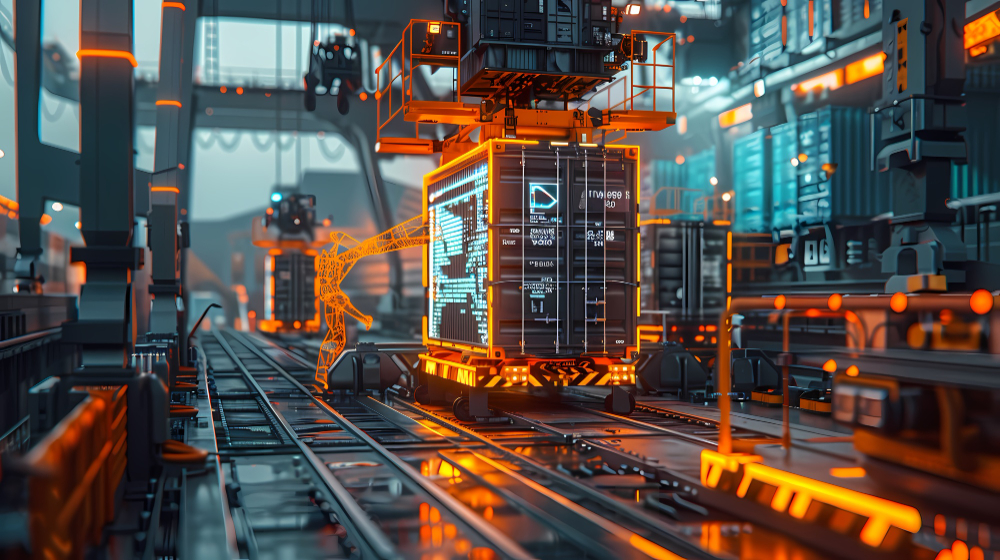
Iron mining has usually been a crucial part of the worldwide financial system. Iron ore is used to provide steel, which helps the whole lot from buildings and bridges to motors, equipment, and renewable electricity infrastructure. But modern mining is converting hastily. New technology are helping mining companies paintings more competently, effectively, and sustainable at the same time as lowering charges and enhancing productivity.
From self sufficient trucks and clever sensors to artificial intelligence and actual-time statistics analytics, technology is reworking nearly each degree of iron mining. These innovations are not definitely replacing conventional equipment—they’re creating smarter methods to devise, extract, process, and delivery iron ore.
The Growing Role of Technology in Iron Mining
Conventional iron mining operations frequently depended closely on guide hard work, conventional machinery, and periodic inspections. Even as these techniques continue to be critical, cutting-edge mines can gather and analyze huge amounts of records in real time.
Modern mining generation permits operators to monitor device, geological conditions, fuel intake, ore high-quality, and worker protection from centralized structures. This allows control make faster and greater knowledgeable decisions.
For instance, a mining organization can use sensors established on haul vehicles to monitor engine temperature, tire strain, fuel intake, and mechanical overall performance. As opposed to looking forward to device to fail, maintenance groups can perceive warning signs and time table upkeep before a chief breakdown happens.
This technique, called predictive preservation, can lessen downtime and extend the beneficial life of costly mining equipment.
Automation Is Making Mining Safer
Safety is one among the biggest benefits of era in present day iron mining operations.
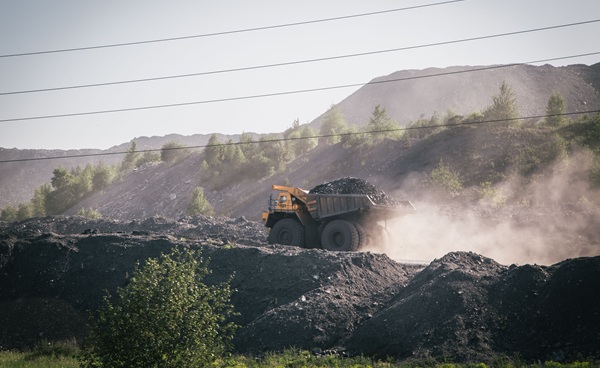
Big open-pit mines use substantial vans, drills, excavators, and different heavy equipment. Running this equipment in hard environments can divulge people to large risks.
Self reliant mining gadget can reduce a number of these dangers. Self sufficient haul trucks, for example, can transport iron ore among loading and unloading factors with limited direct human intervention. Advanced navigation systems, cameras, sensors, and software help these motors stumble on limitations and follow deliberate routes.
Far off-controlled equipment can also allow operators to carry out positive tasks from safer locations.
Example: Remote Equipment Operation
Believe a drilling area where volatile ground situations create additional dangers. In preference to placing people directly beside the device, operators can manage equipment from far flung control middle. This will improve worker safety while permitting the mining operation to maintain.
Technology does not put off each mining hazard, however it can assist organizations become aware of hazards in advance and reduce unnecessary publicity.
Artificial Intelligence and Data Analytics
Artificial intelligence (AI) is becoming more and more treasured in mining due to the fact current operations generate large quantities of statistics.
AI-powered systems can look at facts from geological surveys, device sensors, manufacturing systems, and ancient information. This data can assist businesses discover patterns that humans can also forget.
For example, AI can support:
- Predicting equipment failures
- Optimizing haul routes
- Improving drilling accuracy
- Monitoring ore quality
- Forecasting production levels
- Identifying operational inefficiencies
- Supporting mine planning decisions
Gadget mastering can become extra powerful as structures acquire additional operational information. Through the years, this could help mining companies enhance choice-making and optimize procedures.
But, AI must complement skilled mining experts rather than absolutely replace them. Geological understanding, engineering judgment, and operational enjoy remain crucial.
Smart Sensors and the Internet of Things
The internet of things (IoT) is another primary generation influencing iron mining.
IoT gadgets join system and systems so as to talk statistics constantly. Sensors can be hooked up across mining equipment, processing facilities, conveyor systems, and other infrastructure.
These sensors can monitor factors such as:
- Temperature
- Vibration
- Pressure
- Fuel consumption
- Equipment performance
- Air quality
- Energy usage
The information can then be transmitted to monitoring platforms where operators can review conditions in real time.
For example, unusual vibration in a conveyor motor could indicate a developing mechanical problem. Detecting that issue early could allow technicians to intervene before the conveyor fails and interrupts ore transportation.
Improving Iron Ore Processing
Technology is not limited to the extraction stage. It’s also improving how iron ore is processed.
Cutting-edge processing vegetation use advanced sensors, automated controls, and analytical systems to split treasured iron-bearing cloth from undesirable additives. Better manner tracking can assist operators preserve constant product excellent while lowering waste.
Automated sorting technologies can also help identify differences in ore characteristics. This can support more efficient processing and potentially improve recovery rates.
For Iron Mining companies, even small improvements in processing efficiency can have a significant financial impact because operations often handle enormous volumes of material.
Digital Twins and Smarter Mine Planning
Digital twin technology is another emerging tool for modern mining operations.
A digital dual creates a digital representation of a physical asset, system, or mining environment. Operators can use the version to understand how modifications may want to have an effect on actual-global operations before imposing them.
For instance, a mining enterprise could model a haulage gadget and take a look at specific routes, automobile schedules, or production eventualities digitally. This permits planners to compare feasible consequences without disrupting the actual operation.
digital mine making plans also can help groups apprehend how a mine may increase over time and make better choices about equipment, manufacturing schedules, and useful resource use.
Drones Are Changing Mine Surveys
Drones have emerged as valuable tools for surveying massive mining regions.
in preference to sending survey teams into every a part of a mine web page, businesses can use drones ready with cameras and different sensors to gather aerial records quick.
Drones can help with:
- Stockpile measurements
- Site mapping
- Progress monitoring
- Safety inspections
- Terrain surveys
- Infrastructure assessments
The information gathered by drones may be transformed into exact maps and 3-D models. This can shop time while giving engineers and bosses greater common records approximately changing web site conditions.
Technology and Sustainable Iron Mining
Environmental performance is becoming increasingly critical for the mining industry. era can help iron mining businesses reduce their environmental footprint whilst preserving productiveness.
Electricity tracking systems can identify wherein electricity and gasoline are being ate up. Greater efficient equipment can lessen strength use, whilst automation can help optimize car movements and reduce useless journey.
Water-tracking technology can also help mining groups track intake and discover capability leaks or inefficiencies.
In addition, virtual structures can enhance environmental tracking through amassing data approximately dust, emissions, water exceptional, and different situations.
Realistic Tip for Mining Companies
Agencies trying to enhance sustainability must no longer recognition most effective on foremost technology investments. Start with the aid of figuring out the regions wherein the operation makes use of the maximum electricity, water, gas, or system time. Then select technologies that immediately address the ones inefficiencies.
The Importance of Skilled Workers
Technology may also automate many duties; however modern mining still relies upon on professional people.
As mines emerge as more virtual, employees want new competencies in regions inclusive of statistics evaluation, automation, robotics, software program, cybersecurity, and far off equipment operation.
Mining agencies ought to therefore invest in worker training along new generation.
A successful digital transformation isn’t always definitely approximately buying advanced equipment. Employees want to apprehend how structures paintings, interpret records efficiently, respond to signals, and preserve new technologies.
Tips for Adopting Mining Technology Successfully
Mining companies considering digital transformation can take several practical steps:
1. Start with a Clear trouble
Discover a selected assignment, such as equipment downtime, excessive gas intake, safety dangers, or inefficient haulage.
2. Measure the Current Performance
Collect reliable data before introducing new technology. This creates a baseline for measuring improvement.
3. Test before Scaling
A pilot project can reveal technical and operational problems before a technology is introduced across the entire mine.
4. Train Employees
Make workforce training part of the technology investment from the beginning.
5. Protect Mining Data
Related gadget creates new cybersecurity risks. Businesses must guard operational technology, networks, and touchy manufacturing records.
The Future of Iron Mining
The future of iron mining wills probable contains more connectivity, automation, artificial intelligence, robotics, and actual-time choice-making.
Mining operations ought to become increasingly included, with device speaking robotically and centralized systems presenting managers with an in depth view of production, safety, preservation, and environmental performance.
The purpose isn’t always era for its very own sake. The real objective is to create mining operations which might be safer, extra efficient, value-powerful, and environmentally accountable.
Conclusion
Technology is revolutionizing modern-day iron mining operations through converting how organizations explore, extract, and procedure, screen, and transport iron ore. Independent gadget can enhance safety, AI can support choice-making, sensors can help predictive renovation, drones can simplify surveying, and virtual structures can improve environmental control.
For mining organizations, the most important possibility is to combine those technologies with professional people and sound operational planning. Those that undertake generation strategically—and attention on fixing real operational troubles—may be higher placed to construct efficient and resilient iron mining operations for the future.